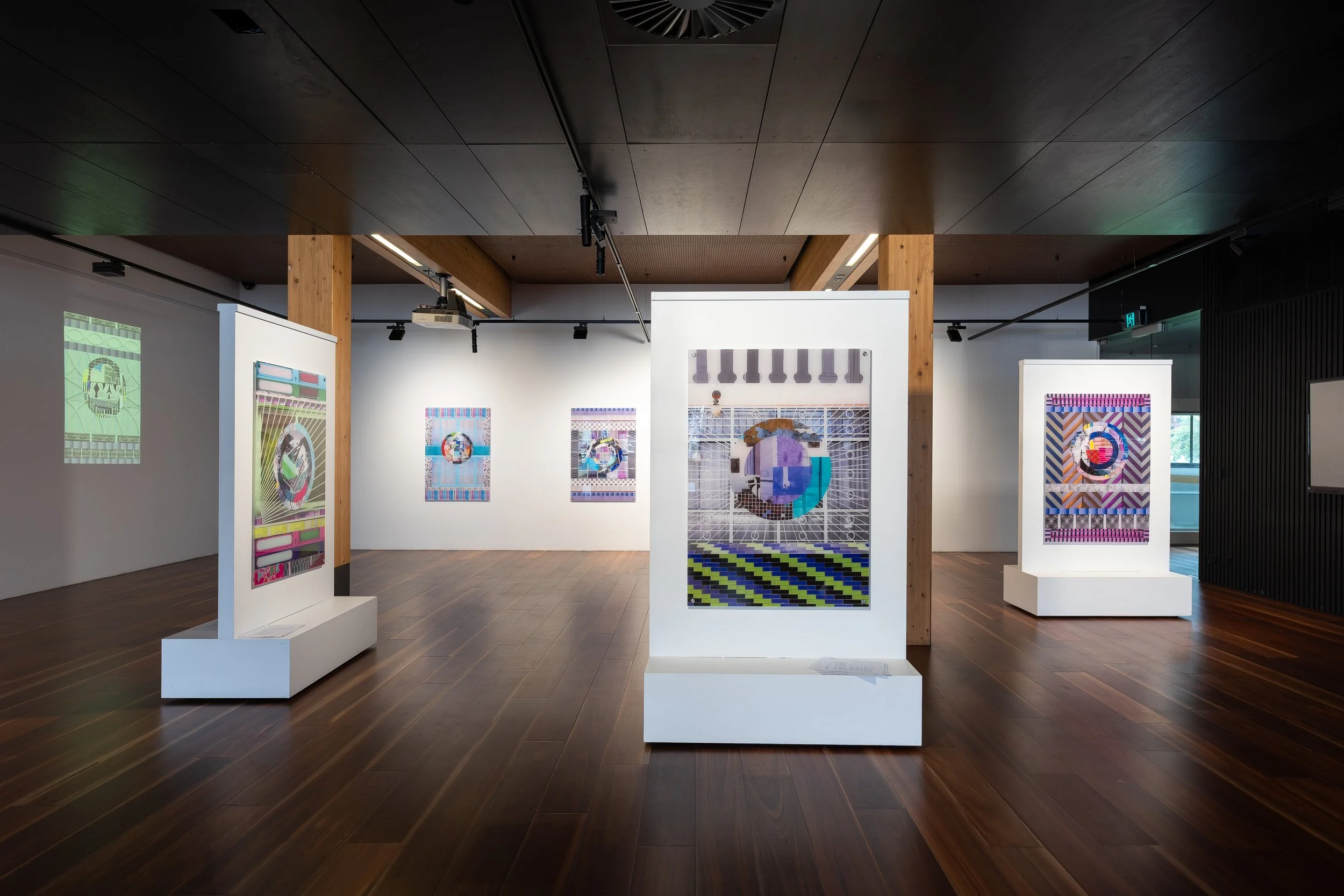
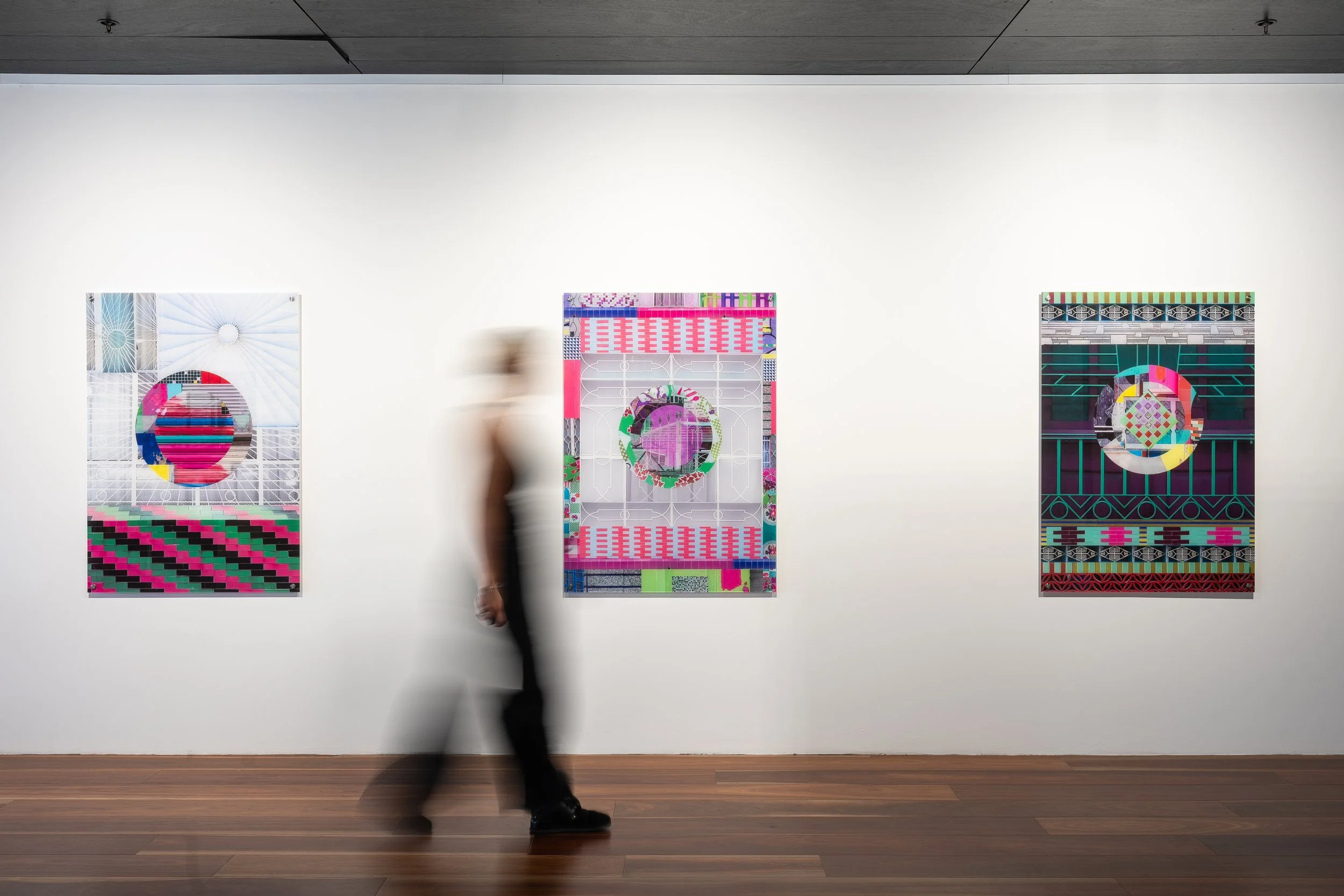
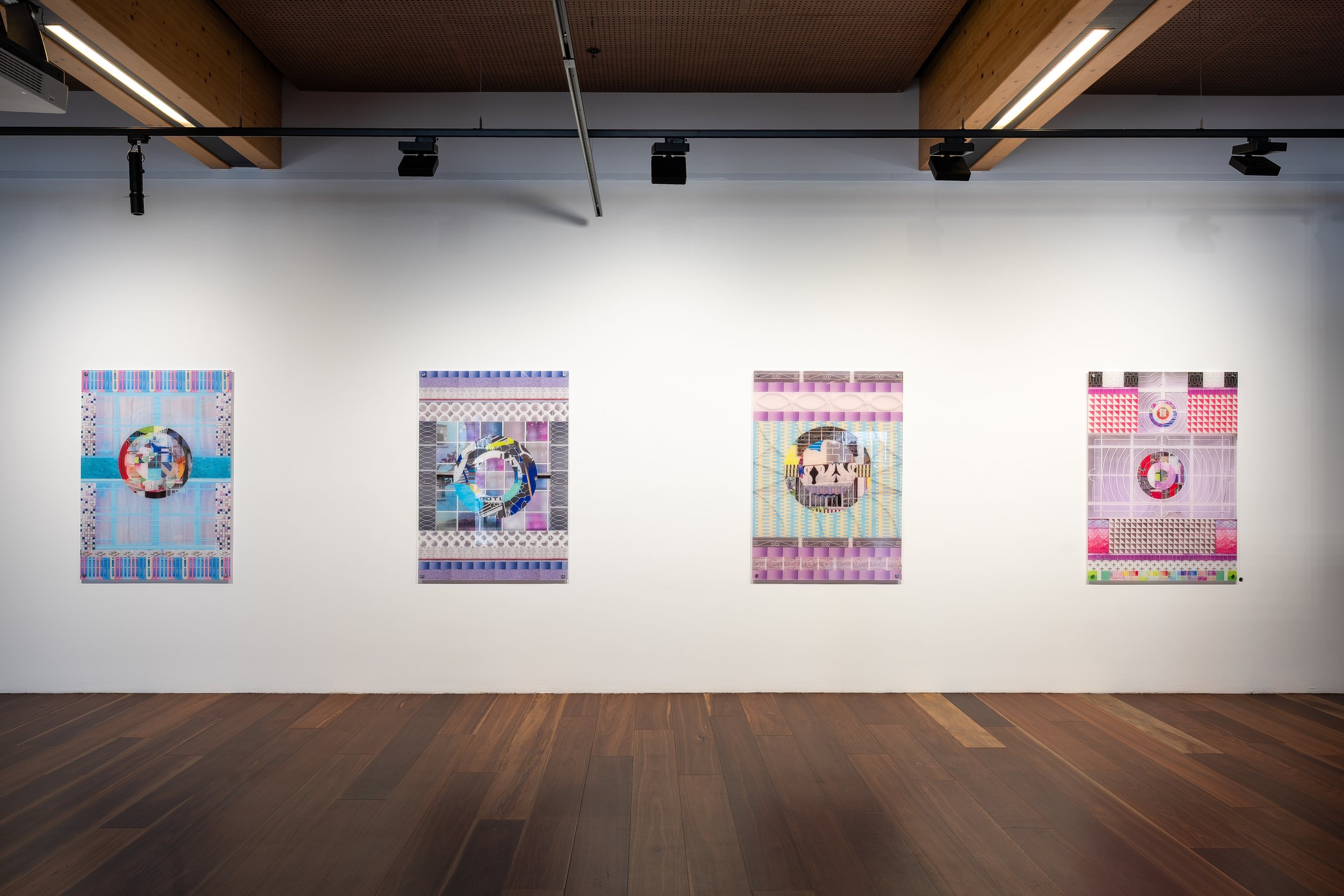
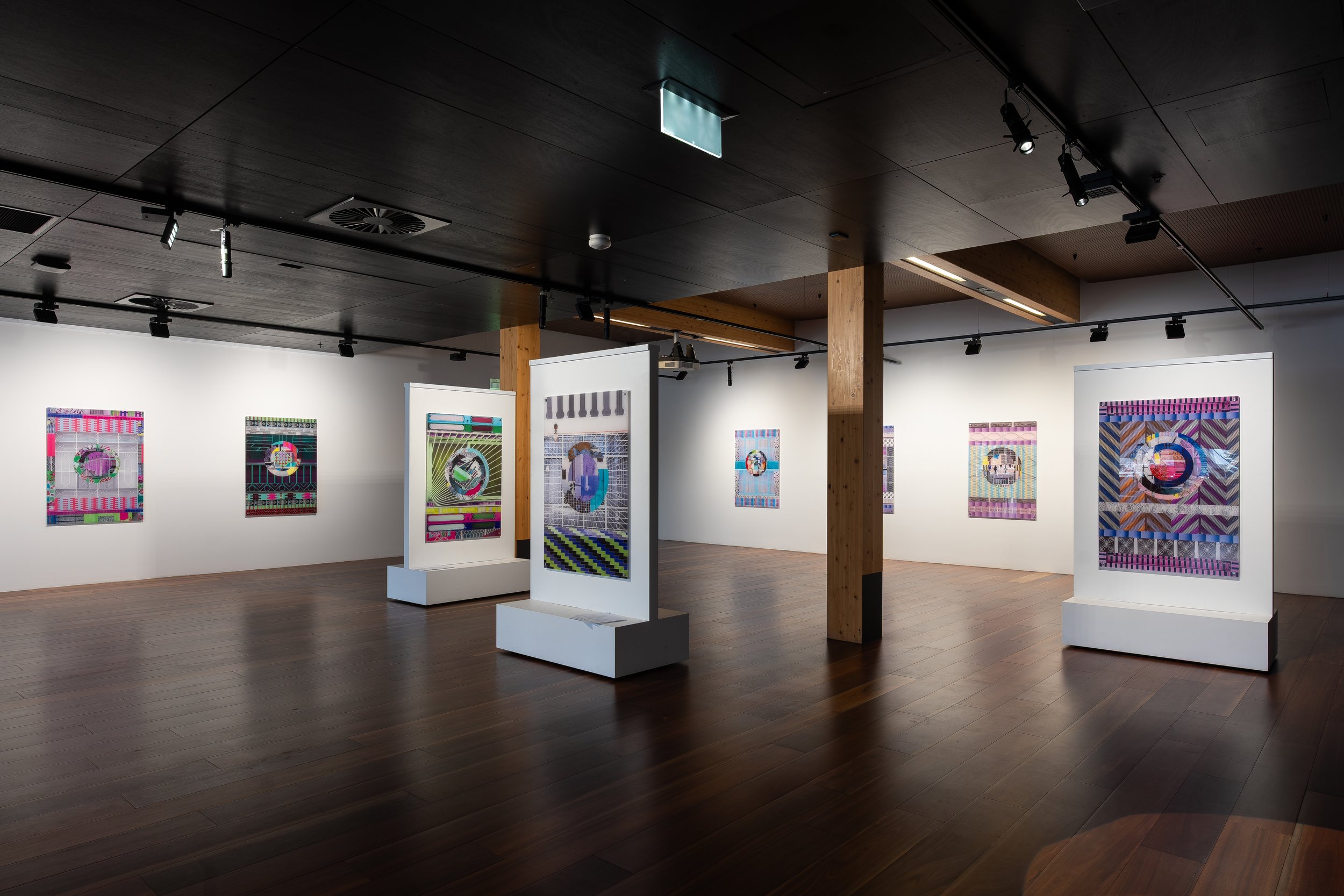
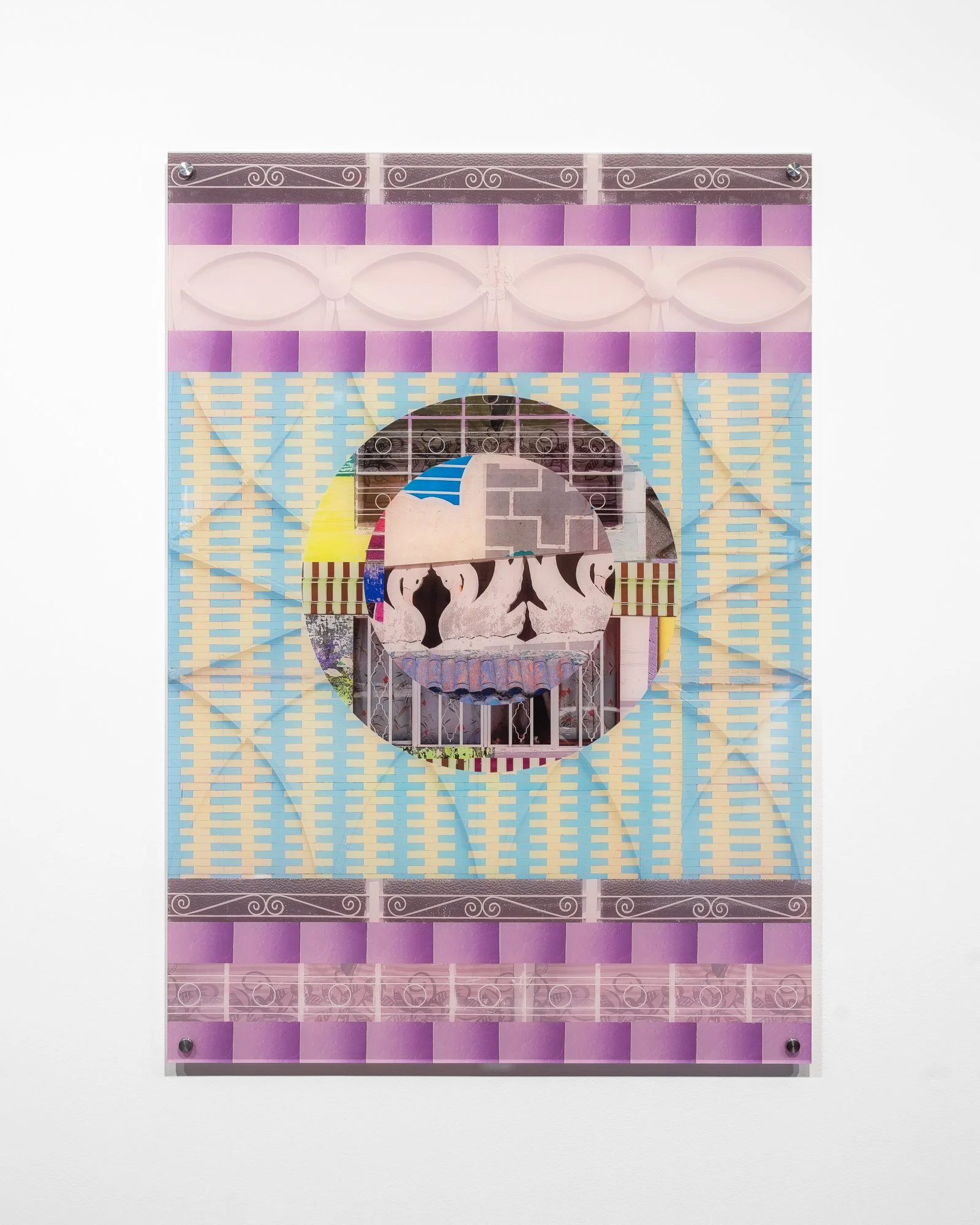
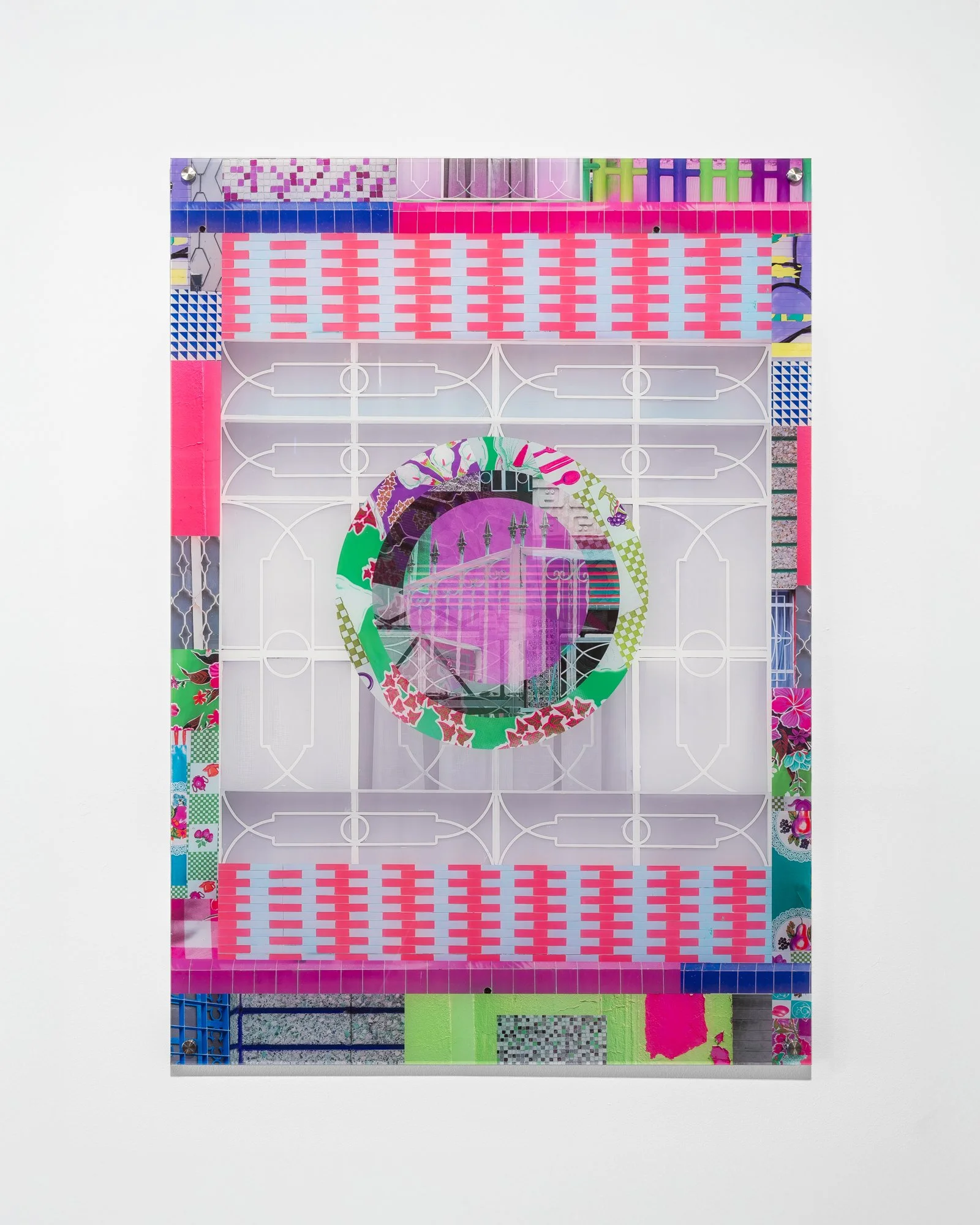
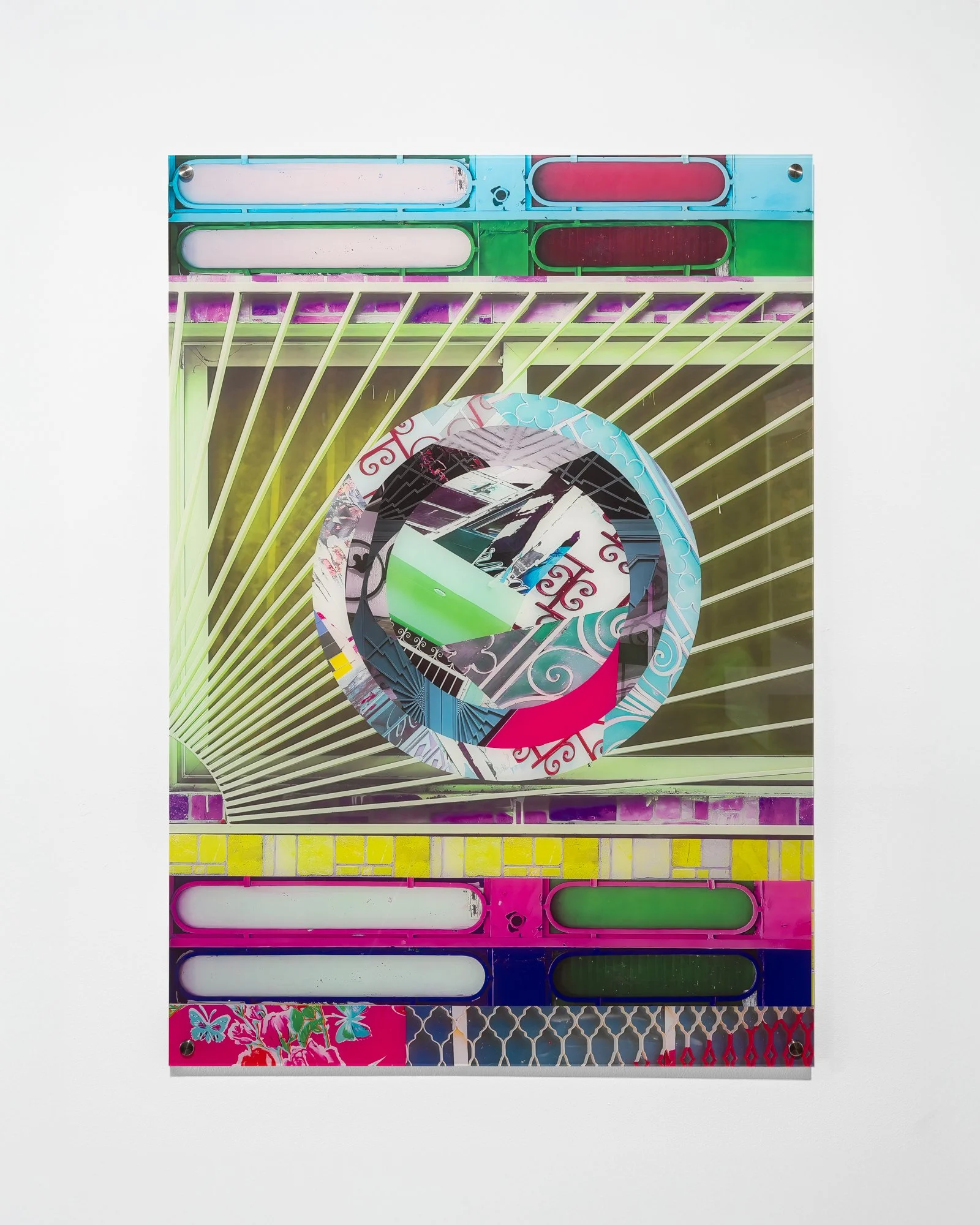
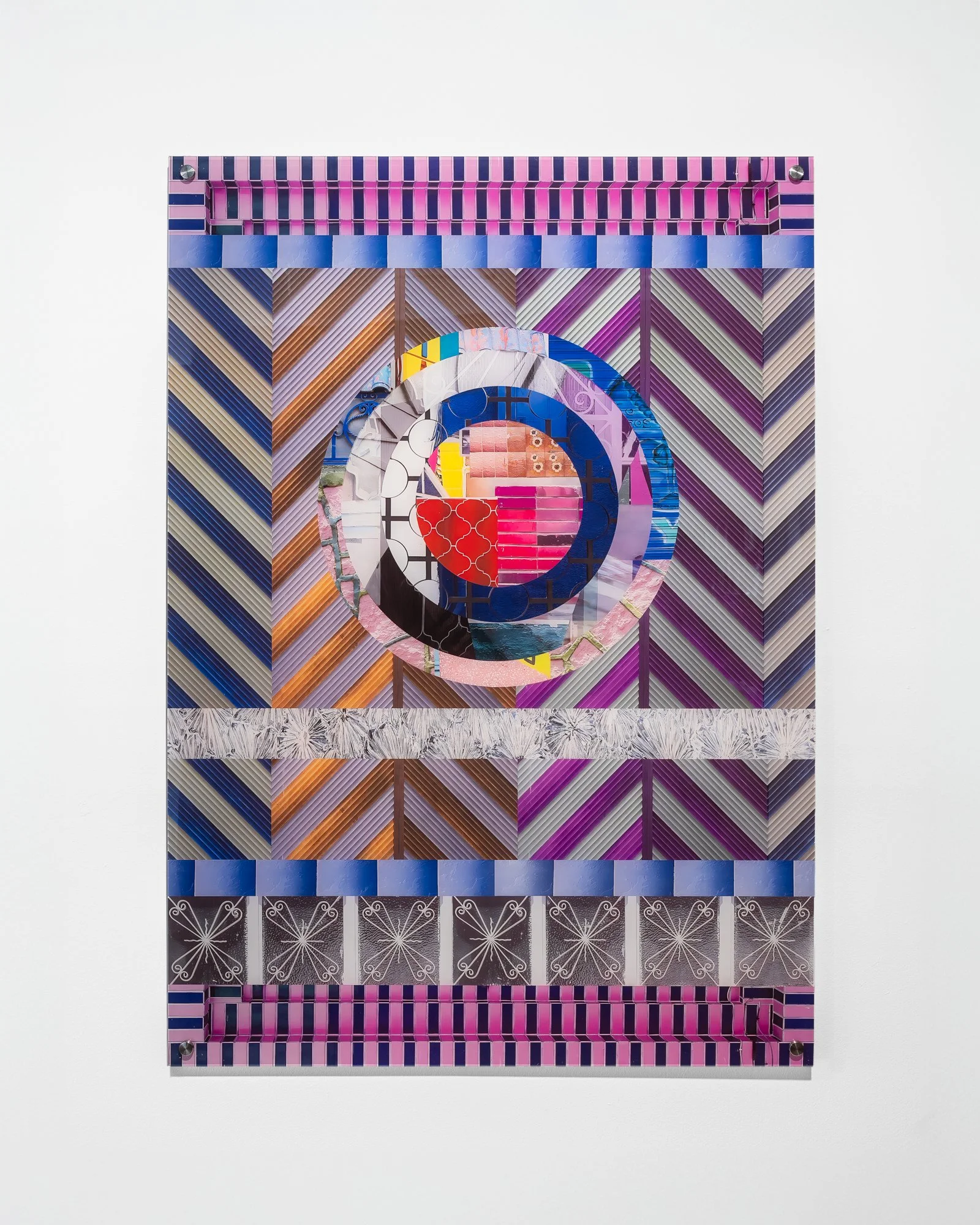
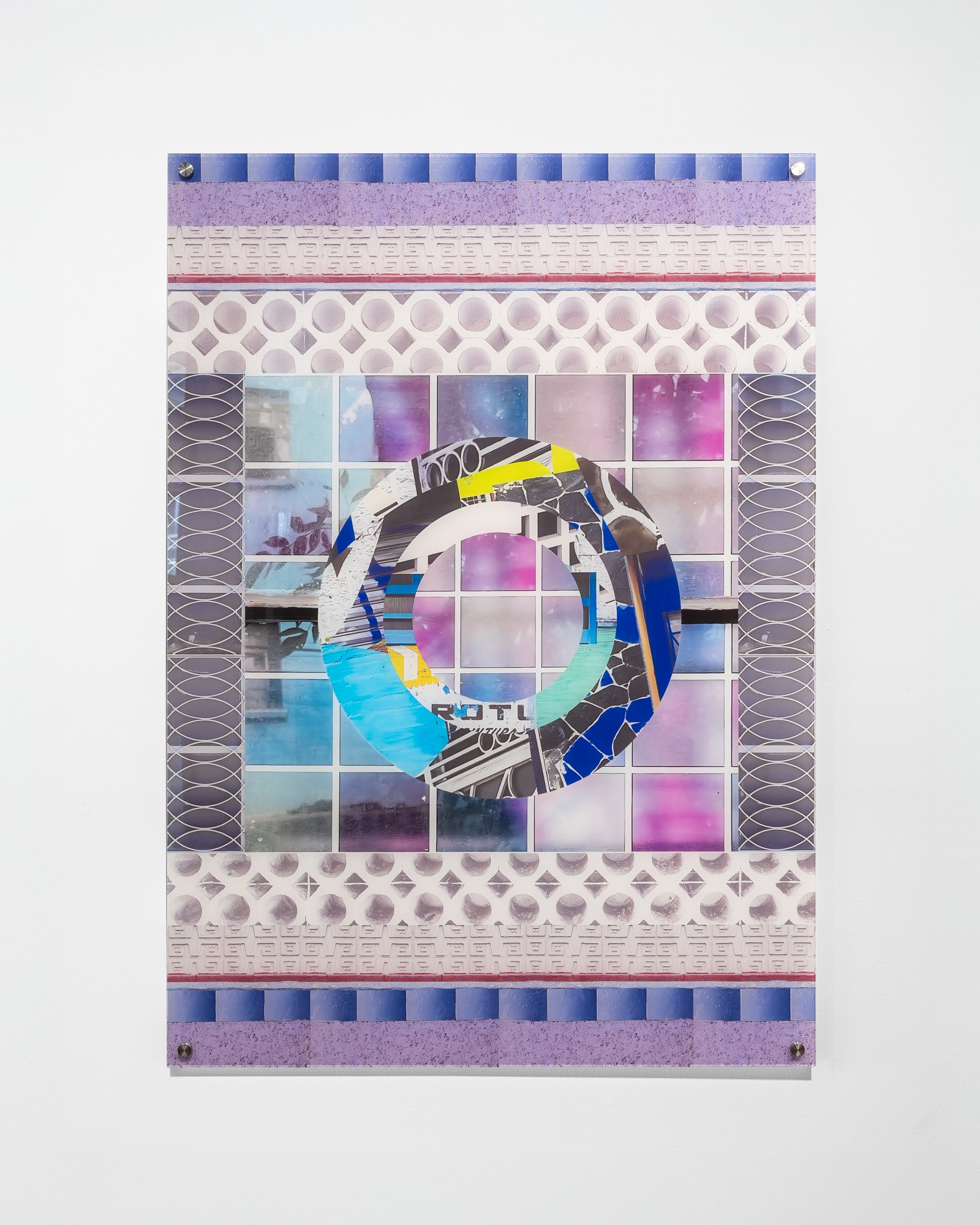
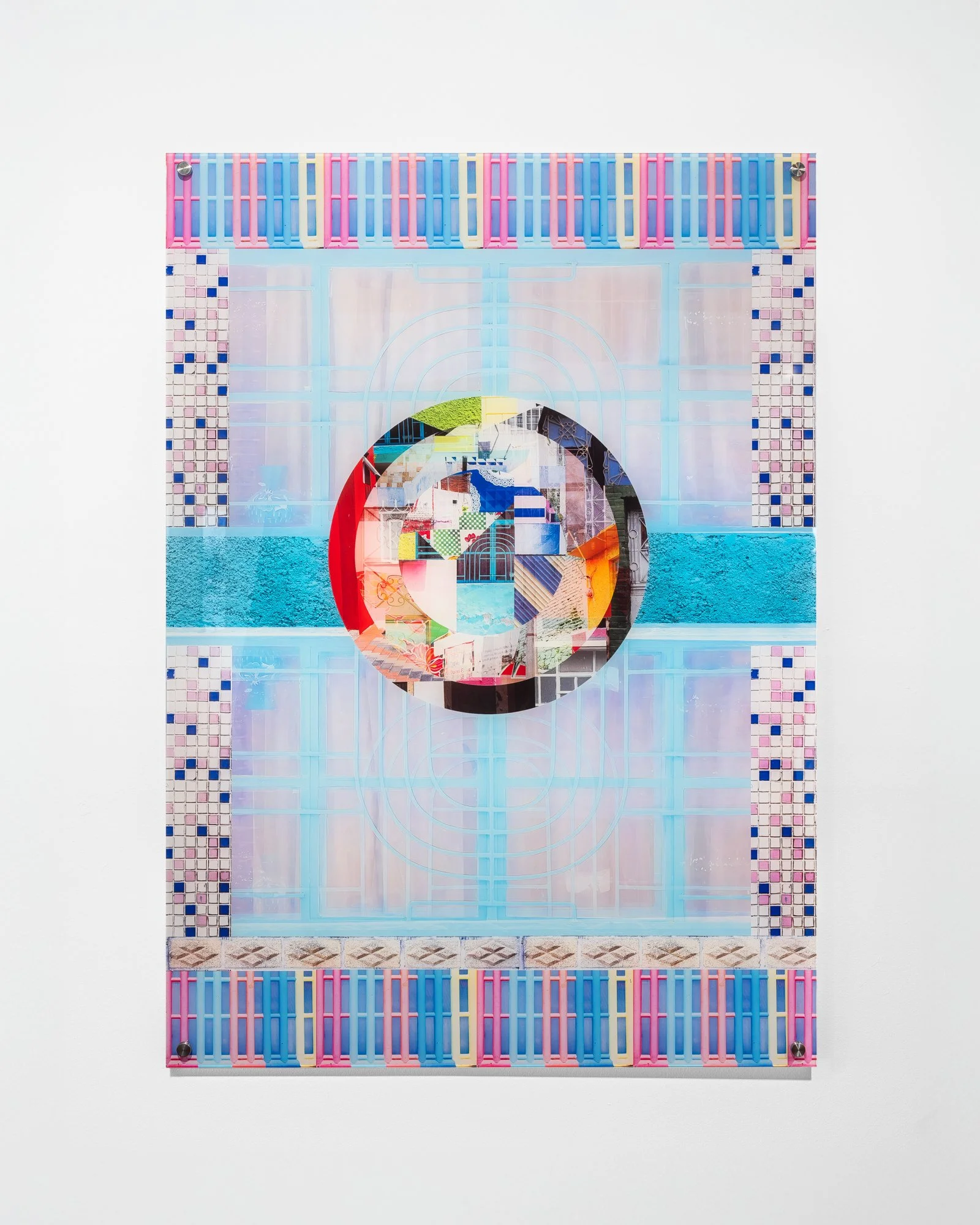
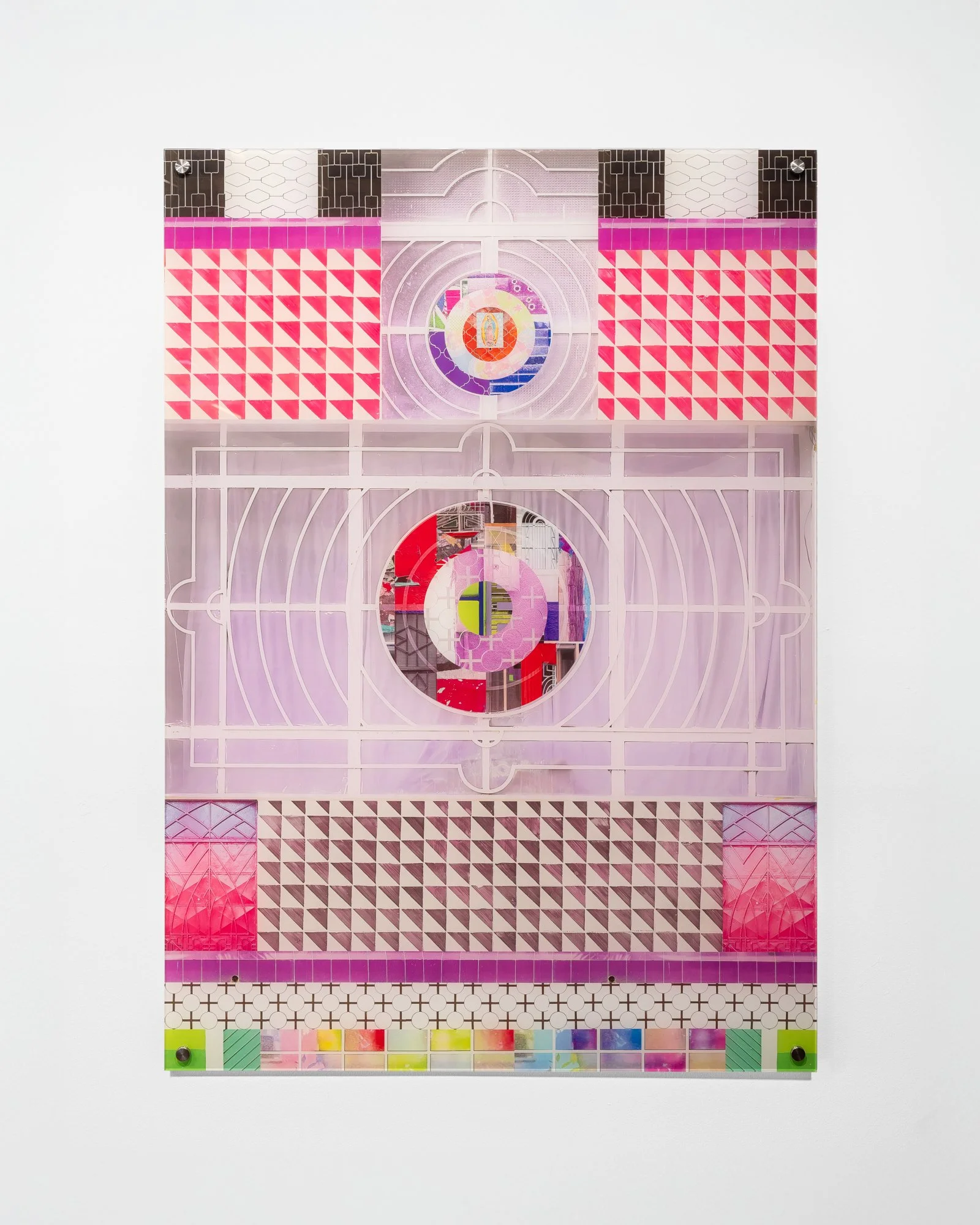
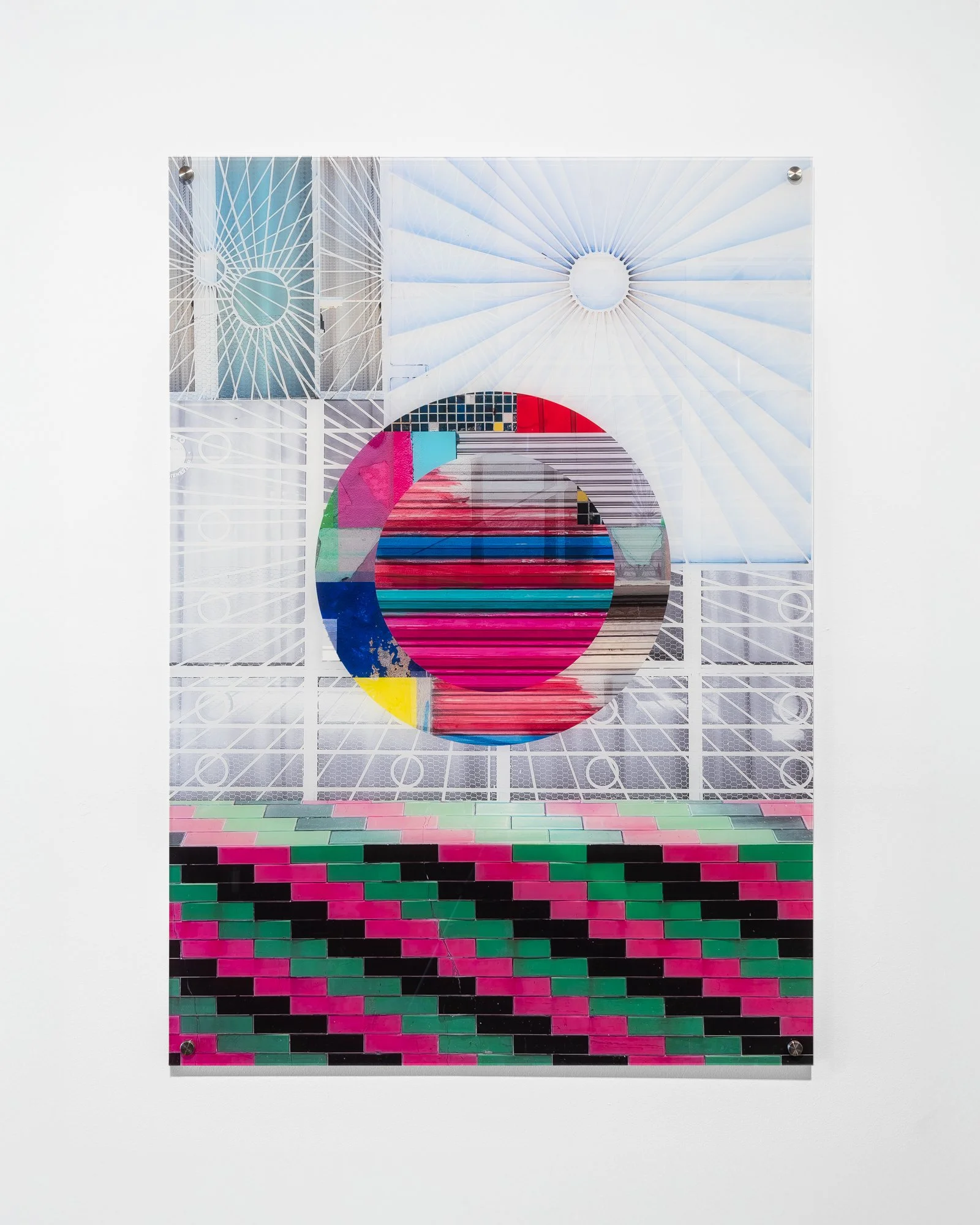
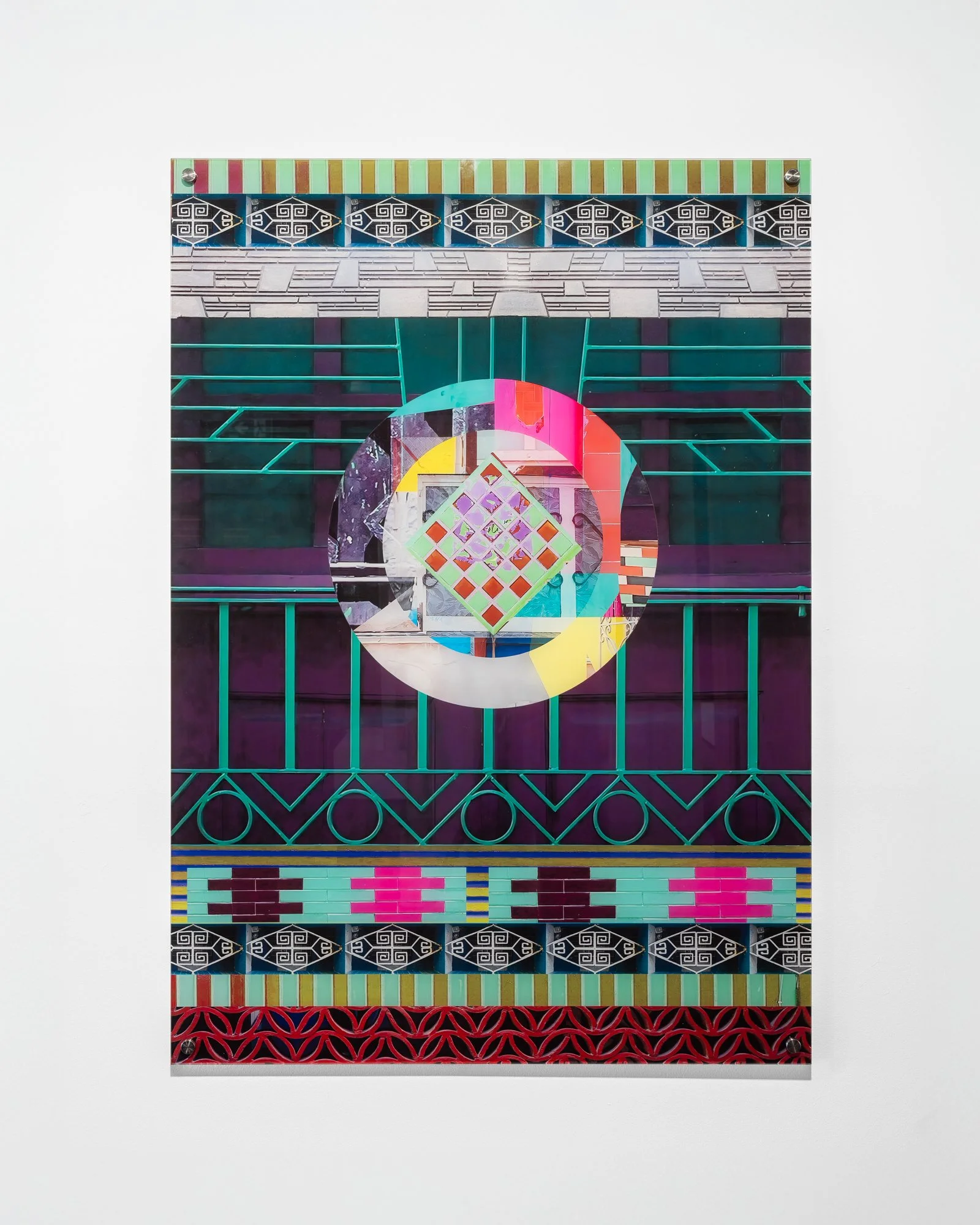
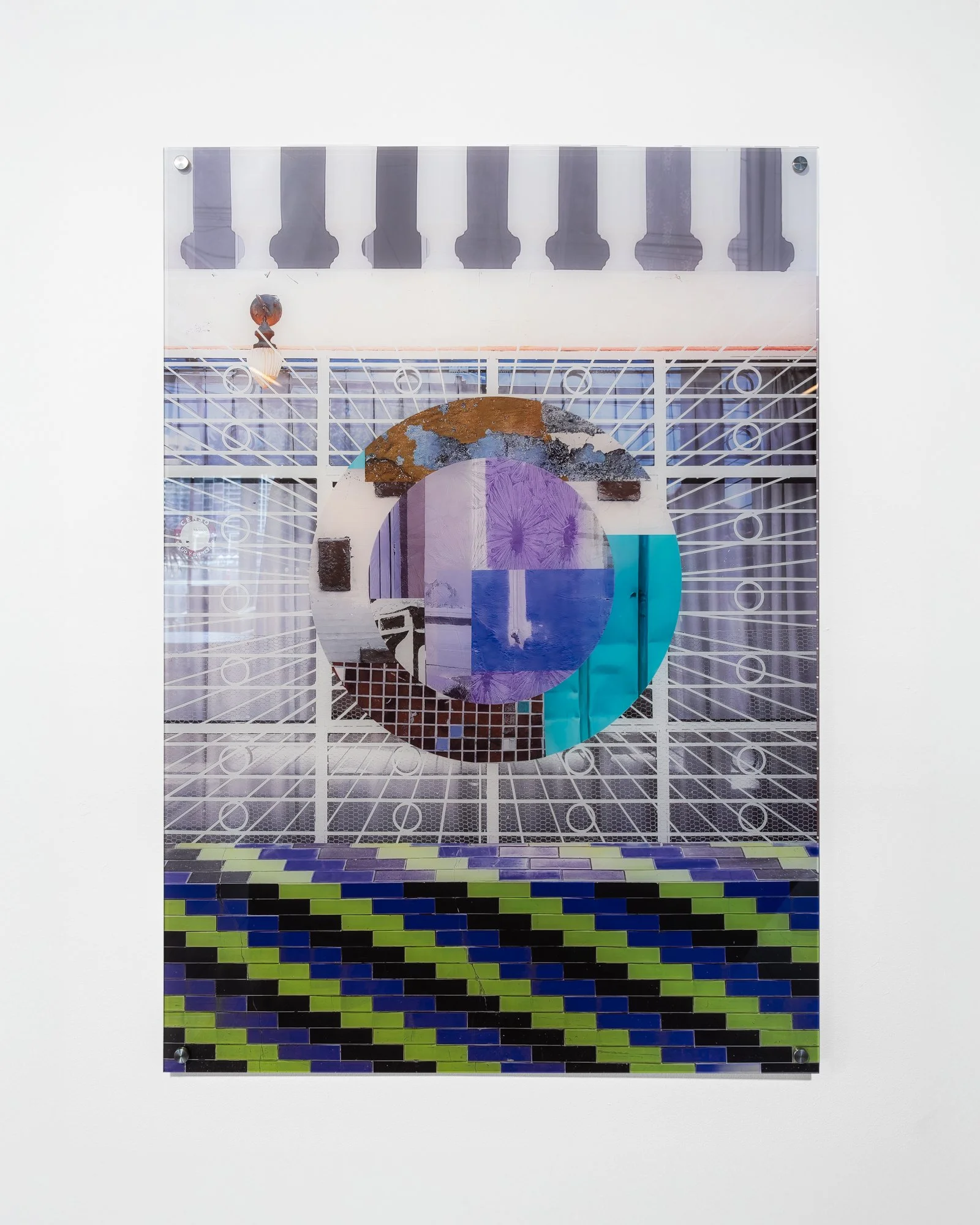
My interest in this kind of decorative metalwork started in Melbourne, looking at the gates, verandahs, balustrades on postwar migrant-built houses. Much of it reflecting decorative styles of Mediterranean origin. A trip to Mexico enabled me to follow that interest into a new context — walking through Mexico City, Aguascalientes, Mérida and Guanajuato, I discovered the world of rejas (iron grilles and bars) that felt strikingly familiar in form but rooted in a completely different history.
Mexican architecture is deeply hybrid. Indigenous, Spanish colonial, Moorish-influenced and modern forms sit side by side and these windows, doors and grilles not only guard a threshold but contain rich histories of ornamental tradition and craft. I became fascinated in the way a small set of forms such as a spiral and can get endlessly reconfigured across different buildings and regions, almost algorithmically.
Alongside the ironwork, I collected other surfaces that I am typically drawn to—glass, tilework, painted walls, torn posters — many of these are like found paintings existing in urban space which i gather on my walks.
The rejas interest me because they work on two levels at once: beautiful and controlling in the same gesture, softening a boundary without removing it. My own process ended up mirroring this. I work from photo fragments collected on these walks, and building the collages has an affinity with the ironwork itself as each takes a limited set of elements and recombines them into new patterns and forms. Like the rejas themselves, the acrylic lets light pass through and the works become windows in their own right. The central circle motif is like a portal, lens or mandala also constructed from these fragments but where the window grilles hold a boundary in place the portal offers a way through.